What Is Individual Therapy and How Can It Help?
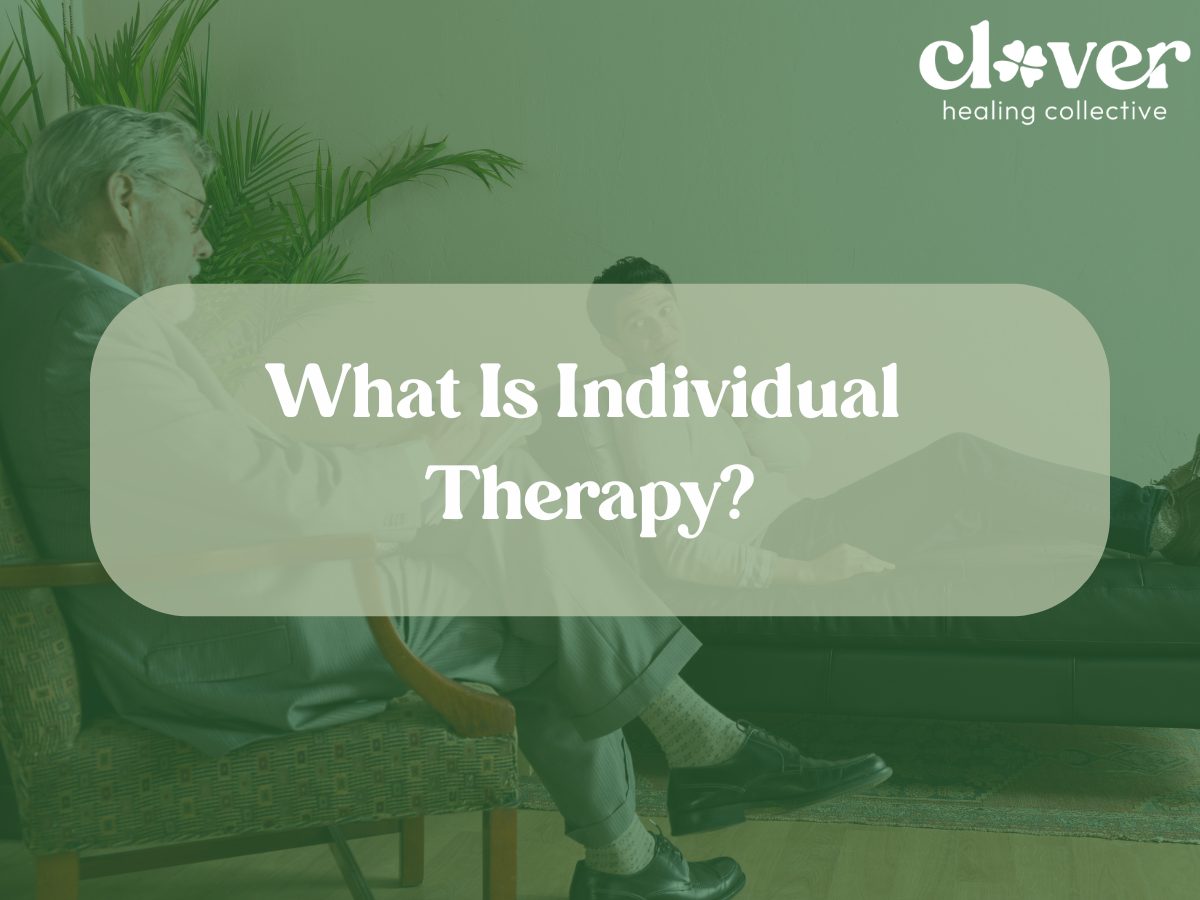
Individual therapy is a one-on-one form of mental health treatment where a person works directly with a trained therapist to address emotional challenges, behavioral patterns, and mental health conditions. Also known as talk therapy or individual psychotherapy, it’s designed to help individuals develop healthy coping skills, manage one's symptoms, and improve overall well-being.
Whether you're seeking therapy for anxiety, mood disorders, or substance abuse recovery, individual therapy sessions offer a safe space to explore your thoughts, feelings, and goals. In this guide, we’ll explain what individual therapy involves, its benefits, the differences from group, couples, and family therapy, popular therapeutic modalities, and how providers like Clover Healing Collective tailor treatment plans for personal growth.
Understanding Individual Therapy: Definition, Purpose, and Core Approach
Individual therapy is a structured therapeutic process between one client and a licensed mental health professional. Conducted on a one-to-one basis, it typically involves setting therapeutic goals tailored to the individual's treatment plan.
The therapy sessions provide a supportive space where patients can discuss stress, emotional pain, relationship challenges, or past trauma. Sessions often include developing stress management strategies, problem-solving skills, and communication techniques to support emotional and physical health.
What Is Individual Therapy in Mental Health?
Individual therapy is a foundational part of mental health services administration. It focuses on treating mental health issues through regular psychotherapy sessions that encourage self-awareness and personal growth.
It is particularly effective in addressing conditions like:
Anxiety disorders
Mood disorders (like depression and bipolar disorder)
Eating disorders
Substance use disorders
Post-traumatic stress disorder (PTSD)
What Happens in a Typical Individual Counseling Session?
Each therapy session may vary, but most involve discussing current concerns, past experiences, and progress toward therapeutic goals. The San Diego individual therapist will guide you with the conversation, ensuring the client feels emotionally safe while working toward healthier behavior patterns and emotional health.
Session structure usually includes:
Reviewing the previous session and any assigned exercises
Exploring current emotions or challenges
Working on specific issues using therapeutic interventions guided by your therapist such as EMDR
Setting small therapeutic goals for the week
Benefits of Individual Therapy for Mental Health and Emotional Growth
Individual therapy supports emotional growth by helping individuals become more self-aware, build coping strategies, and resolve internal conflicts. With the guidance of a trained professional, therapy can bring about meaningful change in one’s daily life.
Emotional Awareness, Healing, and Self-Regulation
Therapy helps individuals recognize their emotional triggers and patterns, allowing them to make conscious choices rather than reacting based on past trauma or unhealthy behaviors. It fosters the self-knowledge and emotional agency that is key for healing.
Long-Term Benefits of Individual Counseling for Personal Development
Some key benefits of individual therapy include:
Improved emotional resilience
Strengthened problem-solving and coping skills
Enhanced self-esteem and confidence
Reduction in negative thoughts and maladaptive behaviors
Better communication in relationships
Is Individual Therapy Effective for Anxiety, Depression, or Trauma?
Yes. Studies show that therapy significantly reduces symptoms associated with anxiety disorders, depression, PTSD, and substance abuse. When conducted in a safe space by a trained therapist, even a few sessions can create lasting change.
Now that you understand the benefits, it’s useful to see how individual therapy compares to other mental health treatments like group, couples or family therapy.
Individual Therapy vs. Group and Family Therapy: Which One Is Right for You?
While individual therapy focuses on a one-on-one setting, group therapy and family therapy involve multiple participants. The choice depends on your mental health goals and the issues you want to address.
What Is the Difference Between Individual Therapy and Group Therapy?
Group therapy generally involves about 5–10 individuals working with one or more mental health professionals. It’s helpful for those facing shared challenges like addiction, grief, or trauma. Individual therapy, in contrast, allows for personalized attention and privacy.
| Feature | Individual Therapy | Group Therapy |
|---|---|---|
| Format | One-to-one | Group setting |
| Privacy | High | Shared space |
| Customization | Highly personalized | Generalized themes |
| Peer Support | No | Yes |
When Should You Choose Individual vs. Couple or Family Therapy?
Choose individual therapy when:
You want complete privacy
You're working on personal trauma, self-awareness, or coping strategies
You’re dealing with mental health disorders or personal life adjustments
Choose couple or family therapy when:
Relationship challenges or communication issues exist within the couple or family
You want to improve relationship dynamics with a trained professional
All parties of the couple or family are open to participating
Can You Combine Individual Counseling with Group or Family Therapy?
Absolutely. Many individuals benefit from combining different therapeutic modalities. A trained mental health professional may recommend this hybrid approach based on your treatment plan.
Next, we’ll explore the various types of therapy that are commonly used in individual settings.
Popular Modalities Used in Individual Therapy Sessions
Different therapy types are used depending on your needs and the therapist’s expertise. Clover Healing Collective specializes in multiple modalities that align with evidence-based practices.
Acceptance Commitment Therapy (ACT)
Acceptance and commitment therapy (ACT) helps clients accept what is out of their control while committing to behavior change. It’s used to develop healthy coping skills and improve psychological flexibility.
Eye Movement Desensitization(EMDR)
EMDR is a structured therapy used to treat trauma, especially post-traumatic stress disorder. It helps process distressing memories using guided eye movements, often producing results faster than traditional talk therapy.
Emotionally Focused Therapy for Individuals (EFIT)
EFIT is a structured, attachment-based therapy that helps individuals better understand and transform emotional patterns shaped by past and present relationships. It focuses on accessing core emotions to foster self-compassion, emotional regulation, and more secure connections with self and others, supporting lasting emotional healing and resilience.
Ketamine-Assisted Psychotherapy (KAP)
KAP is a therapeutic approach that combines the use of ketamine with psychotherapy to support healing from depression, anxiety, trauma, and emotional distress. Ketamine can help reduce rigid thought patterns and increase emotional openness, allowing therapy to be more effective by deepening insight, flexibility, and connection during the therapeutic process.
What to Expect in Your First Therapy Session
The first session is foundational. It sets the tone, builds the therapeutic alliance, and allows your therapist to gather essential background information to develop your individualized treatment plan.
How to Prepare for Your First Individual Counseling Appointment
Before your first session:
Write down symptoms or triggers
Identify your goals
List questions you may have about the process
Bring any relevant mental or physical health records
What Questions Might a Therapist Ask During the First Therapy Session?
A trained individual therapist may ask:
What brings you here?
Have you tried therapy before?
Do you have a history of mental or physical health issues?
Are you currently in immediate danger?
What are your therapy goals?
If therapy works, what will be different in your life?
Tell me about yourself, your relationships, and any patterns your notice.
Is Individual Therapy Confidential and Safe?
Yes. Therapists follow strict confidentiality guidelines unless there’s a risk of immediate danger. Individual therapy offers a trusted, safe space for healing.
Let’s now explore how to find an individual therapist and begin your journey.
How to Choose the Right Therapist for Individual Psychotherapy
Selecting an individual therapist is a personal choice. The therapeutic alliance between you and the therapist plays a key role in successful outcomes.
What Qualities Should You Look for in a Licensed Individual Therapist?
Look for a licensed mental health professional who:
Specializes in your area of need
Has experience with therapeutic modalities you resonate with
Is easy to talk to and nonjudgmental
Explains the therapeutic process clearly
Should You Choose Online or In-Person Therapy?
Both are effective. Online therapy offers convenience, especially for those with mobility or scheduling issues. In-person therapy may foster stronger interpersonal connection.
How Often Should You Attend Individual Therapy Sessions?
It varies. Some people see an individual therapist weekly, others biweekly. Your therapist will help create a schedule that aligns with your treatment plan.
Now let’s see how Clover Healing Collective uniquely approaches individual therapy.
Individual Therapy at Clover Healing Collective: Our Holistic Approach
Clover Healing Collective offers mental health services rooted in compassion, inclusivity, and evidence-based practice. We believe healing begins in a safe space where clients feel seen, heard, and empowered.
How Clover Healing Collective Supports Personal Transformation
Our therapy sessions are designed to:
Foster self-awareness and emotional growth
Improve stress management and coping skills
Help clients understand and shift behavior patterns
Our Therapeutic Values and Specializations
We integrate modalities like EMDR, EFT, KAP, and ACT. Our therapists have experience treating depression, anxiety, bipolar disorder, and relationship challenges, among other mental health challenges.
How to Get Started with Individual Therapy at Our San Diego Practice
Whether you’re seeking therapy for the first time or returning to your healing journey, Clover Healing Collective offers personalized support. You can reach out to us directly through our website, or book your free intro call with a therapist of your choosing from our website
Individual therapy is a powerful tool in addressing mental health issues and enhancing emotional well-being. Whether you're facing daily stressors, coping with trauma, or navigating complex mental health conditions, therapy can help you gain self-acceptance, healthier relationships, and peace of mind. At Clover Healing Collective, we provide compassionate care on a one-to-one basis to help you live a more balanced, resilient, and fulfilling life. Contact us today!
